

Pet-Safe Rug Cleaners for Living Rooms
Editorial TeamTable of Contents
- Why Pet-Safe Rug Cleaners Matter for Your Living Room
- What Makes a Rug Cleaner Pet-Safe
- Pet Stain Removers: Tackling Fresh and Set-In Stains
- Using a Pet Odor Eliminator for Rugs
- How to Get Pet Smell Out of Area Rug
- How to Wash a Living Room Rug Safely
- Common Mistakes to Avoid When Cleaning Pet-Soiled Rugs
- Frequently Asked Questions
Last Updated: October 17, 2026
Why Pet-Safe Rug Cleaners Matter for Your Living Room
Pet accidents happen. Whether it's fresh urine, vomit, or feces, the mess isn't just about the visible stain, it's about what lingers long after you've wiped the surface clean. Living room rugs bear the brunt of pet damage because that's where your family spends the most time. A regular carpet cleaner won't cut it.
The stakes are higher in a living room than in a bedroom or hallway. This is where guests gather, where your family relaxes, and where lingering smells become a problem that affects everyone in the space. Standard cleaning products either mask the odor temporarily or leave residue that attracts pets back to the same spot.
At PracticalHomeEssentials.com, we understand that pet owners need solutions that work on tough stains without compromising safety. The right pet safe rug cleaners combine effective stain removal with non-toxic ingredients, giving you a living room that's both clean and genuinely safe for your pets to rest on.
What Makes a Rug Cleaner Pet-Safe
Not every product labeled "pet-friendly" is actually safe. Understanding what separates a truly pet-safe formula from marketing hype matters when you're treating the surfaces your pets contact daily.
Ingredient Safety and Non-Toxic Formulas
A pet-safe cleaner avoids harsh chemicals that can cause respiratory irritation or skin reactions. Look for products that rely on plant-based enzymes, botanical extracts, or mineral-based ingredients rather than ammonia, chlorine, or synthetic surfactants. Many brands now use enzymatic formulas that break down organic matter naturally, the same proteins and compounds that create stains and odors in the first place.
The advantage of enzyme-based cleaners is that they work on the molecular level. They don't just cover up the problem; they eliminate it. Once the enzymes finish their work, they break down naturally and leave no harmful residue. This matters because your pet will walk across the treated area repeatedly, and any chemical buildup can accumulate over time.
Read ingredient labels carefully. Avoid products containing phenol, bleach, or strong artificial fragrances. These can linger on fibers and irritate sensitive paws or respiratory systems. Fragrance itself isn't the problem, it's synthetic fragrance chemicals that can trigger reactions. Natural essential oils or no fragrance at all is safer for pets.
Rug Material Compatibility
Not all rugs respond the same way to cleaning. A wool area rug requires different treatment than a synthetic blend or a delicate hand-knotted rug. Using the wrong cleaner on the wrong material can cause shrinkage, color bleeding, or permanent fiber damage.
Before applying any cleaner to your living room rug, check the care label or manufacturer guidelines. Some rugs are designed for dry cleaning only. Others can handle water-based solutions but not oil-based ones. A pet-safe cleaner that's too alkaline can strip the natural oils from wool, making it brittle. Too acidic, and it can fade dyes or weaken fibers.
Test any new cleaner on a hidden corner of your rug first. Apply a small amount, wait 10 minutes, and check for discoloration or texture changes. This takes 5 minutes and prevents costly mistakes.
Pet Stain Removers: Tackling Fresh and Set-In Stains
The speed of your response determines how difficult a stain becomes. Fresh stains are easier to remove because the urine, vomit, or feces hasn't yet bonded deeply with the rug fibers or seeped into the backing.
How Enzyme-Based Cleaners Work on Pet Accidents
Enzyme-based cleaners break down the organic compounds in pet waste. Urine contains urea, uric acid, and ammonia. Vomit contains partially digested food and stomach acids. Feces contain bacteria and organic matter. Enzymes target these specific compounds and break them into smaller molecules that dissolve and rinse away.
The process takes time. Most enzyme cleaners need 10 to 30 minutes of contact time to work effectively. This is why patience matters more than scrubbing hard. Aggressive scrubbing can actually push the stain deeper into the rug fibers and the backing, making it harder to remove.
Apply the enzyme cleaner, let it sit, then blot with a clean cloth. Repeat if necessary. The longer you allow the enzymes to work, the more complete the breakdown. Some people apply the cleaner in the evening and let it work overnight, then blot and rinse the next morning for stubborn stains.
Spot Cleaning vs. Deep Cleaning
Spot cleaning addresses individual stains and accidents. You apply cleaner directly to the affected area, let it work, and blot it up. This is your first response to fresh accidents and works well for isolated incidents.
Deep cleaning treats the entire rug or large sections of it. This is necessary when multiple accidents have occurred, when odor has spread beyond visible stains, or when a rug hasn't been cleaned in months. Deep cleaning involves more water, longer contact time, and often requires a portable carpet cleaner machine or professional equipment to extract moisture properly.
For living room rugs with pets, a combination approach works best. Spot clean accidents immediately when they happen. Once or twice a year, do a deep clean to address any odors or stains that spot cleaning missed.
Using a Pet Odor Eliminator for Rugs
Stains fade, but odors linger. This is because urine and other pet waste create odor-causing compounds that embed in rug fibers and the padding underneath. A visible stain might be gone, but your pet can still smell the accident, and that's often why they return to the same spot.
Neutralizing Odor-Causing Residue
A true odor eliminator doesn't mask the smell with fragrance. It neutralizes the compounds causing the odor. This is an important distinction. Fragrance covers up the problem temporarily, but as soon as the scent fades, the original odor returns. Neutralization removes the source.
Enzyme cleaners are effective odor eliminators because they break down the uric acid crystals and bacteria that create the smell. Some products also use baking soda or activated charcoal, which absorb odors rather than masking them. These ingredients are non-toxic and safe for pets.
Apply the odor eliminator to the affected area and let it sit for the time recommended on the product label, usually 15 to 30 minutes. Then blot thoroughly with a clean cloth and allow the rug to dry completely. Incomplete drying can leave moisture that creates new odors, so this final step matters.
How to Get Pet Smell Out of Area Rug
If your living room rug smells like pet accidents despite spot cleaning, the odor has likely spread beyond the visible stain. This happens when urine soaks through the rug fibers and into the backing or padding. It can also happen when multiple small accidents accumulate over time.
Start by identifying the affected area. If you can't see stains but smell an odor, use a black light or UV flashlight to reveal urine spots that are invisible to the naked eye. Mark these areas so you know where to focus treatment.
For a whole-rug odor problem, consider a deep clean with a pet odor eliminator. Rent or purchase a portable carpet cleaner and use it with an enzyme-based pet stain remover solution.

If deep cleaning doesn't fully resolve the odor, the problem may be in the rug pad underneath. Pet waste can soak through and contaminate the pad, which then continues to emit odor even if the rug itself is clean.
How to Wash a Living Room Rug Safely
A systematic approach to washing your living room rug prevents damage while ensuring thorough cleaning. The goal is to remove stains and odors without oversaturating the rug or leaving it damp for too long.
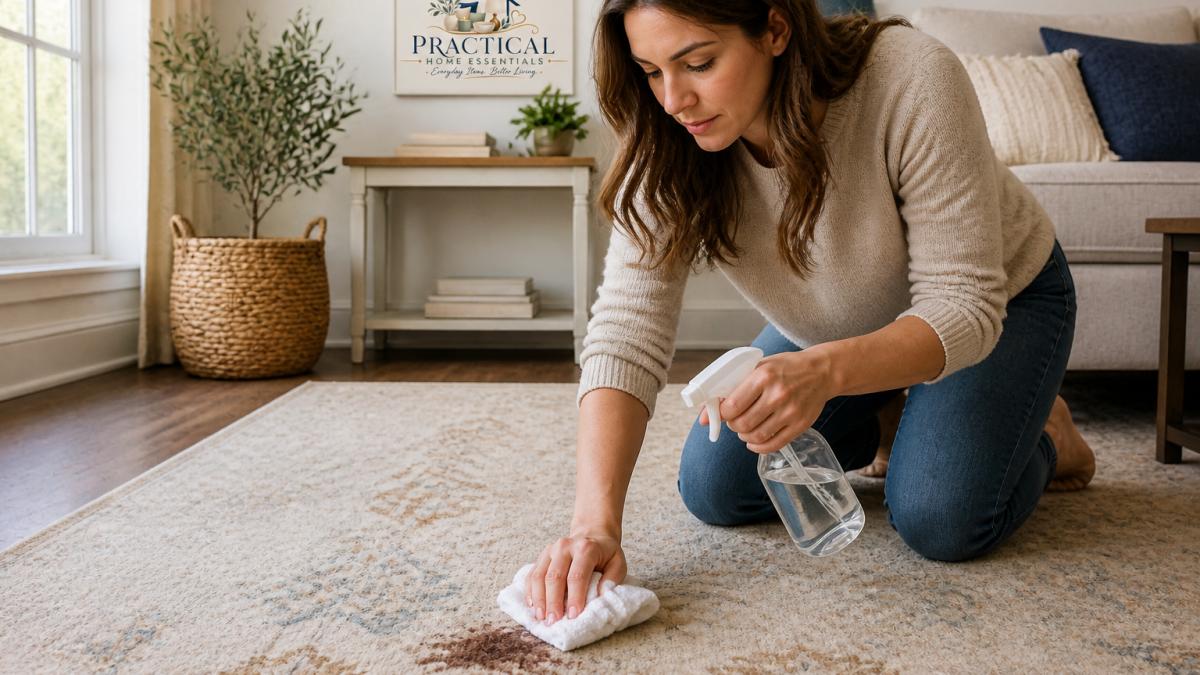
Step-by-Step Cleaning Process
Step 1: Vacuum thoroughly. Remove dry debris, pet hair, and dust before applying any liquid cleaner. A clean surface allows the cleaner to make full contact with stains.
Step 2: Identify and pre-treat stains. Mark visible stains or use a black light to find urine spots.
Step 3: Test the cleaner on a hidden area. Apply a small amount of your chosen cleaner to an inconspicuous corner of the rug.
Step 4: Apply cleaner to the entire rug or affected sections. Use a spray bottle or carpet cleaner machine to apply the pet-safe cleaner evenly.
Step 5: Blot, don't rub. Use clean, white cloths or towels to blot the cleaner and dissolved stains.
Step 6: Rinse with clean water. Spray or apply clean water to rinse away cleaner residue. Residue left in the rug can attract dirt and create new odors.
Step 7: Extract moisture. If you have a carpet cleaner machine, use the extraction function to pull as much moisture as possible from the rug.
Drying Time and Safety After Application
Drying is critical. A damp rug can develop mildew, create new odors, and become a breeding ground for bacteria. Proper drying also ensures that your pet is safe to return to the rug without slipping on wet fibers or absorbing moisture and residue through their paws.
Air dry your rug in a well-ventilated area. Open windows, turn on fans, or use a dehumidifier to speed the process. In warm, dry weather, you can place the rug outside in sunlight, which also helps eliminate odors naturally. Avoid direct heat sources like radiators or hair dryers, which can damage fibers.
Drying time varies by rug thickness, humidity, and airflow. A thin area rug in a well-ventilated room might dry in 4 to 8 hours. A thick rug in humid conditions might take 24 to 48 hours. Don't allow your pet back on the rug until it's completely dry. Wet fibers are fragile and can be damaged by pet claws, and moisture can reactivate odors.
Common Mistakes to Avoid When Cleaning Pet-Soiled Rugs
Understanding what not to do is as important as knowing what to do.
Mistake 1: Using too much water. Oversaturating a rug pushes stains deeper into the backing and padding.
Mistake 2: Rubbing or scrubbing hard. This pushes stains and odors deeper into fibers and can damage the rug's surface texture. Blot gently instead.
Mistake 4: Not testing on a hidden area first. Some cleaners can fade dyes or damage delicate fibers.
Mistake 5: Allowing the rug to stay damp. Incomplete drying creates mildew and odors. Ensure the rug dries completely before allowing pets back on it.
Mistake 6: Treating only visible stains. Urine especially can soak into the backing and padding, creating odors that persist even after surface stains are removed.
Mistake 7: Using a cleaner not designed for pets. Standard carpet cleaners may contain chemicals that irritate pet skin or respiratory systems.
Pet accidents in your living room rug don't have to mean permanent damage or lingering odors. PracticalHomeEssentials.com carries the Pet Stain & Odor Remover for $17.99, an enzyme-based solution designed to break down organic stains and neutralize odors without harsh chemicals.
Frequently Asked Questions
How do you get pet smell out of an area rug?
Pet odors linger because urine and feces leave residue deep in rug fibers. Enzyme-based cleaners break down these odor-causing compounds. Blot fresh stains immediately, apply the cleaner, let it sit for 10-15 minutes, then rinse thoroughly. For set-in odors, treat the spot multiple times and allow adequate drying time. Our Pet Stain & Odor Remover ($17.99) is formulated to neutralize both fresh and stubborn odors while remaining safe for pets.
Are pet odor eliminators safe to use around cats and dogs?
Yes, when you choose pet-safe formulas. Look for cleaners that are non-toxic and plant-based, avoiding ammonia and harsh chemicals that can irritate pet respiratory systems. After application, ensure the rug dries completely before allowing pets back on it. Rinse thoroughly to remove any residue that could be ingested during grooming.
Can you use an enzyme cleaner on an area rug?
Enzyme cleaners work well on most area rugs, but material compatibility matters. Test on a hidden corner first to check for colorfastness. Enzyme-based cleaners are excellent for breaking down protein-based stains like urine, vomit, and feces. They're gentler on delicate fibers than harsh chemical alternatives. Make sure your rug can handle moisture, some antique or wool rugs may need professional cleaning instead.
How long should pets stay off a rug after cleaning?
Keep pets off the rug for at least 2-4 hours while it dries, or follow the product instructions for your specific cleaner. Some formulas require longer drying times for full effectiveness. Wet rugs can harbor bacteria and mold, and wet residue can be harmful if ingested. Once completely dry, the rug is safe for your pets to return to. Check the rug by touching it, it should feel completely dry, not damp.