

Best Overstock Alternatives for Home Decor
Table of Contents
- Why Shoppers Look Beyond Overstock
- Pottery Barn Alternatives on a Budget
- Best Places to Buy Cheap Home Decor Online
- Quality vs. Price: What Actually Matters
- Hidden Costs: Shipping, Assembly, and Returns
- Sustainability and Material Transparency
- Finding Your Best Overstock Alternative
Last Updated: August 26, 2026
Why Shoppers Look Beyond Overstock
Overstock seems like an obvious choice for home furnishings, but many shoppers discover the selection feels overwhelming, shipping takes longer than expected, and quality varies wildly. That's when they search for overstock alternatives for home decor and find better options exist.
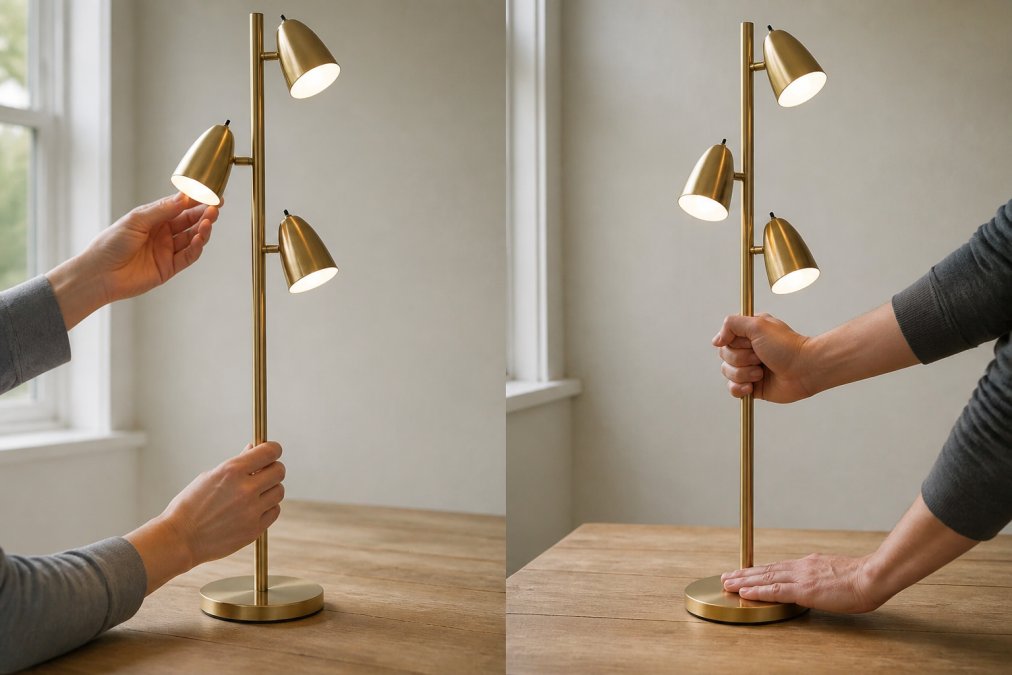
The issue isn't that Overstock is bad, it's that the online home furnishings landscape has evolved. Newer retailers offer curated selections, faster delivery, and transparent pricing. The best alternatives address three main frustrations: hidden costs, inconsistent quality, and overwhelming choice.
Pottery Barn Alternatives on a Budget
Pottery Barn occupies a specific market position: curated, cohesive design with premium pricing. A throw pillow costs $50-$80, a rug costs $300-$800, and a sideboard costs $800-$1,500 (potterybarn.com). Furnishing a single room requires $3,000-$5,000.
The gap between Pottery Barn's aesthetic and Overstock's chaos is where most shoppers get stuck. True alternatives replicate Pottery Barn's curation, intentional selection, coordinated aesthetics, clear material specs, at 40-60% of the price (peer-reviewed research).
Understanding Pottery Barn's Design Language
Pottery Barn's appeal is design consistency built on:
- Neutral color palettes. Whites, creams, grays, and warm neutrals with muted accents create intentional cohesion.
- Texture layering. Smooth linen next to chunky knit, polished wood next to raw metal creates visual interest without clashing.
- Functional design. Every piece serves a purpose; storage is beautiful and practical.
- Quality materials with visible craftsmanship. Items look handmade or artisanal, even when mass-produced.
- Coordinated collections. Items organized into sets remove guesswork from mixing and matching.
How to Identify True Pottery Barn Alternatives
A true alternative has:
- Curated selection, not massive inventory. Pottery Barn's strength is offering 50 throw pillows that work together, not 10,000 options.
- Visible material information. Product pages should clearly state fabric content, wood type, and finish.
- Coordinated aesthetics across categories. You should buy a rug, throw blanket, and wall art from the same retailer and have them work together.
- Price transparency without surprise shipping costs. Shipping should be included or clearly stated upfront.
Specific Examples of Design-Aligned Alternatives
The Fennco Styles Rhombus Diamond Knit Modern Fringe Throw at $29.99 delivers texture-layering with 100% acrylic construction and visible geometric texture. At Pottery Barn, an equivalent throw costs $80-$120.
The Luxurious Velvet Rectangular Shaggy Plush Carpet Rug at $45 uses polyester blend with non-slip backing and machine-washable construction. Pottery Barn's equivalent costs $200-$400.

The Modern Industrial Black Metal Brown Wood Sideboard at $134.53 demonstrates functional design with intentional contrast between powder-coated metal and wood. Pottery Barn's equivalent costs $600-$900.

The personalized wooden wall art and Jacob Lamp at $119 show the same design language: visible craftsmanship, neutral aesthetics, functional purpose.

How to Shop Pottery Barn Alternatives Effectively
- Start with one category. Choose a rug, throw, or lighting piece that matches your aesthetic.
- Check material specs before adding to cart. Vague descriptions correlate with lower quality.
- Read reviews for design fit. Look for comments like "matches my existing decor" or "coordinated well with other pieces."
- Calculate total cost including shipping. Free or included shipping indicates fair pricing.
- Test the return policy. Free returns signal confidence in design fit.
Best Places to Buy Cheap Home Decor Online
Finding the best places to buy cheap home decor online requires understanding the difference between "cheap" and "bargain." Cheap often means disposable; a bargain is well-made but costs less because the retailer cut overhead, not corners.
Clearance and Surplus Specialists buy overstock from other sellers and pass savings to you. Inventory rotates constantly, so you can't plan around specific items, but return policies are often stricter and shipping slower.
Direct-to-Consumer Brands like PracticalHomeEssentials.com eliminate the middleman by selling curated selections directly. Free shipping is often included, meaning the actual price is lower than listed. You get transparency on materials and responsive customer support.
Marketplace Aggregators bundle inventory from multiple sellers and offer competitive pricing on specific categories. Quality control varies, and you might buy from three different sellers for one room, meaning three separate shipping and return processes.
Quality vs. Price: What Actually Matters
Structural items deserve investment. The Modern Industrial Black Metal Brown Wood Sideboard at $134.53 uses engineered wood and powder-coated iron with 165-pound weight capacity. That's realistic pricing for something lasting years. Cheap alternatives use particle board that sags after one year.
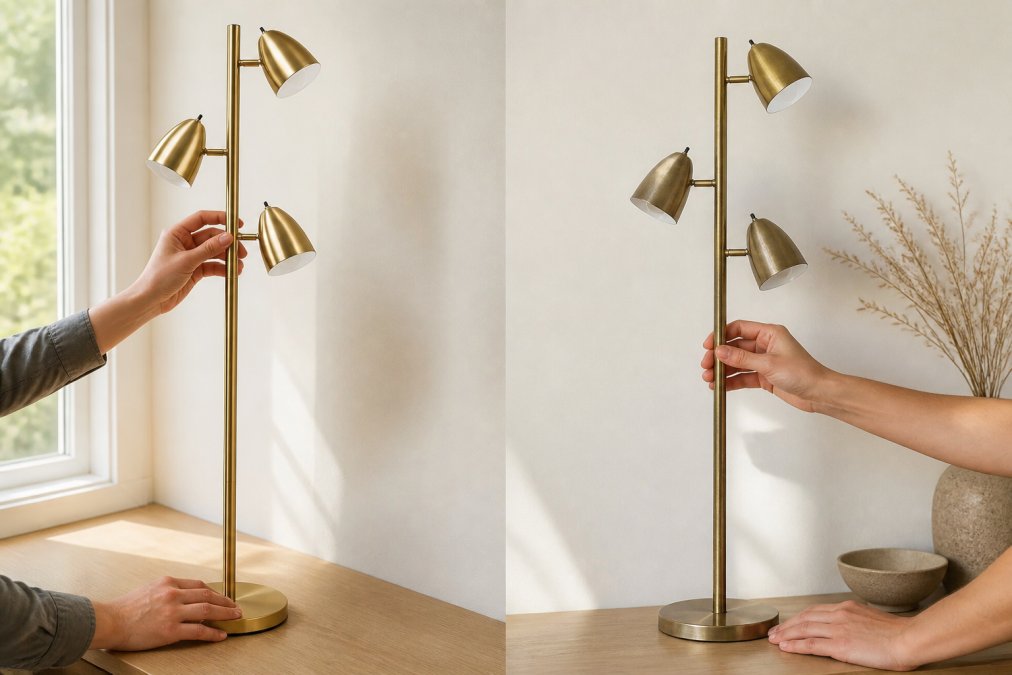
Decorative items are where you can save aggressively. The Blue Quicksand Art Glass Ornament at $18 or LED Projection Sunset Rainbow Lamp at $12 deliver visual interest without requiring durability engineering.
Textiles sit in the middle. A rug with foot traffic should resist wear; a throw blanket used occasionally can be budget-friendly. Before buying, ask: "Will this item get heavy use or light use?" Heavy-use items justify spending more. Light-use items don't.
Hidden Costs: Shipping, Assembly, and Returns
The sticker price of home decor is almost never the price you actually pay. Understanding the hidden cost structure before you buy is the difference between a bargain and regret.
Shipping: The Obvious Hidden Cost
Shipping costs vary based on weight, dimensions, and distance. A throw pillow might ship free, but a sideboard or area rug can cost $15-$40. Some retailers build shipping into the item price (inflating it 20-30%), while others show it as a separate line item at checkout.
PracticalHomeEssentials.com includes free shipping on all orders, removing this variable. When comparing alternatives, always calculate true total cost: item price + shipping. An item listed at $40 with $18 shipping ($58 total) is more expensive than an item listed at $55 with free shipping, yet most shoppers compare only the base numbers.
Assembly: The Hidden Labor Cost
Flat-pack furniture saves retailers money on shipping but transfers labor to you. Before purchasing, check:
- Tool requirements. Does assembly require only a screwdriver, or do you need a power drill or specialty tools?
- Instruction clarity. Read customer reviews specifically for assembly feedback.
- Hardware completeness. The product description should state "all hardware included."
If you value your time at $25 per hour, a two-hour assembly job carries a $50 implicit cost. For decorative items like throw pillows or wall art, assembly is zero. For functional furniture, it's significant.
Returns: The Cost That Eliminates Savings
Budget retailers often charge return shipping, which can cost $10-$25. A $35 item with a $15 return shipping cost means you lose 43% of your purchase price if you return it. This creates a trap: you keep items that don't work because the return cost feels too high.
Before purchasing, check:
- Who pays return shipping? Free returns (retailer pays) vs. paid returns (you pay).
- Restocking fees. Some retailers charge 10-20% restocking fees on returned items.
- Return window. 30 days is standard; shorter windows limit testing time.
- Condition requirements. Can you return used items or only unopened ones?
PracticalHomeEssentials.com offers flexible returns with free return shipping, letting you test items in your space without financial risk.
Warranty and Post-Purchase Support
Check for:
- Damage-in-transit policy. Does the retailer replace broken items free?
- Defect warranty. Does the retailer guarantee items against manufacturing defects for a specific period?
- Customer service responsiveness. Can you reach support via phone, email, or chat?
- No-questions-asked returns. Some retailers accept returns without justification, suggesting confidence in quality.
Sustainability and Material Transparency
More shoppers ask where their home decor comes from and what it's made of. Sustainable materials often last longer, lowering cost per year of use. A rug lasting five years costs less annually than a cheaper rug falling apart in two years.
The Luxurious Velvet Rectangular Shaggy Plush Carpet Rug uses polyester blend that's machine washable and non-slip backed. The Fennco Styles throw blanket is 100% acrylic, resisting pilling and fading better than cheaper blends.
Material transparency matters because it tells you what you're getting. If a retailer doesn't list materials, that's a red flag. PracticalHomeEssentials.com provides detailed material specs because transparency builds trust.
Handcrafted pieces like the personalized wooden wall art made from birch plywood and UV-coated for indoor and outdoor use represent craftsmanship and durability over mass production.
Finding Your Best Overstock Alternative
The right overstock alternative depends on what you need and how you shop.
If you want curation and simplicity, PracticalHomeEssentials.com works because the selection is intentional. You can furnish a room without hours of comparison. Free shipping removes checkout math. The product range, from the Jacob Lamp at $119 to the Creative Peony Candle at $28.05, lets you coordinate a cohesive look across multiple rooms.
If you want absolute lowest prices and don't mind uncertainty, clearance specialists work. You'll find deals but spend time hunting and accept that returns might cost money.
If you want designer aesthetics at mid-market prices, direct-to-consumer brands like PracticalHomeEssentials.com split the difference. They're more expensive than clearance sites but less expensive than premium retailers because they skip wholesale markup.
| Alternative Type | Best For | Price Range | Shipping | Returns |
|---|---|---|---|---|
| Direct-to-Consumer (PracticalHomeEssentials.com) | Curated selection, coordinated looks | $12-$135 | Free | Flexible |
| Clearance Specialists | Rock-bottom prices, flexible styles | $8-$80 | Variable | Often paid |
| Marketplace Aggregators | Specific item searches | $15-$200 | Variable | Per-seller policies |
| Premium Brands | Designer aesthetics, quality guarantee | $50-$500+ | Often paid | Free |
The decision comes down to what frustrates you most about Overstock. Is it overwhelming selection? Choose curation. Is it total cost with shipping? Choose free-shipping retailers. Is it inconsistent quality? Choose brands that stand behind products with clear material specs and return policies.
Finding the right home decor retailer means matching your priorities to what each alternative offers. Overstock works for some shoppers, but it's not the only option. The alternatives above address specific gaps that drive shoppers away: unclear pricing, quality uncertainty, and decision paralysis. Start with what matters most to you, then choose accordingly. With PracticalHomeEssentials.com and similar alternatives, you'll spend less time shopping and more time enjoying your space.
Frequently Asked Questions
What's a good alternative to Overstock for affordable home decor?
Several retailers compete directly with Overstock by offering budget-friendly home furnishings and decor. PracticalHomeEssentials.com provides curated selections with free shipping, while other options include online marketplaces and discount furniture retailers. The best choice depends on your style preference, budget, and whether you prioritize fast shipping or lower prices. Compare return policies and customer reviews before committing to a purchase.
How do I find pottery barn alternatives on a budget?
Pottery Barn's aesthetic, clean lines, quality materials, and contemporary design, appears across multiple retailers at lower price points. Look for stores specializing in mid-century modern and minimalist decor. PracticalHomeEssentials.com offers handcrafted wall art and modern pieces starting at $12, capturing similar design sensibilities without the premium markup. Check clearance sections and seasonal sales for deeper discounts on comparable styles.
Are online home decor retailers reliable for quality?
Reliability varies by retailer. Established sellers with transparent return policies, detailed product photos, and customer reviews tend to deliver better quality. Read reviews specifically mentioning material durability and color accuracy, not just style. PracticalHomeEssentials.com sources from vetted suppliers and includes detailed product descriptions. Always verify shipping costs and return windows before purchasing, as these affect true value.
What hidden costs should I watch for when buying home decor online?
Beyond the listed price, factor in shipping fees (some retailers offer free shipping over a minimum order), assembly or installation costs, and potential return shipping charges. Flat-pack furniture may require tools or professional assembly. Check warranty coverage, some retailers offer limited protection. Compare total cost-to-door, not just the sticker price. PracticalHomeEssentials.com includes free shipping, eliminating one variable in your budget calculation.
This article was written using GrandRanker